
Core Academics
At Oakland, our personalized instruction teaches fundamental academic skills in an ungraded, non-competitive, and goal-oriented learning environment.
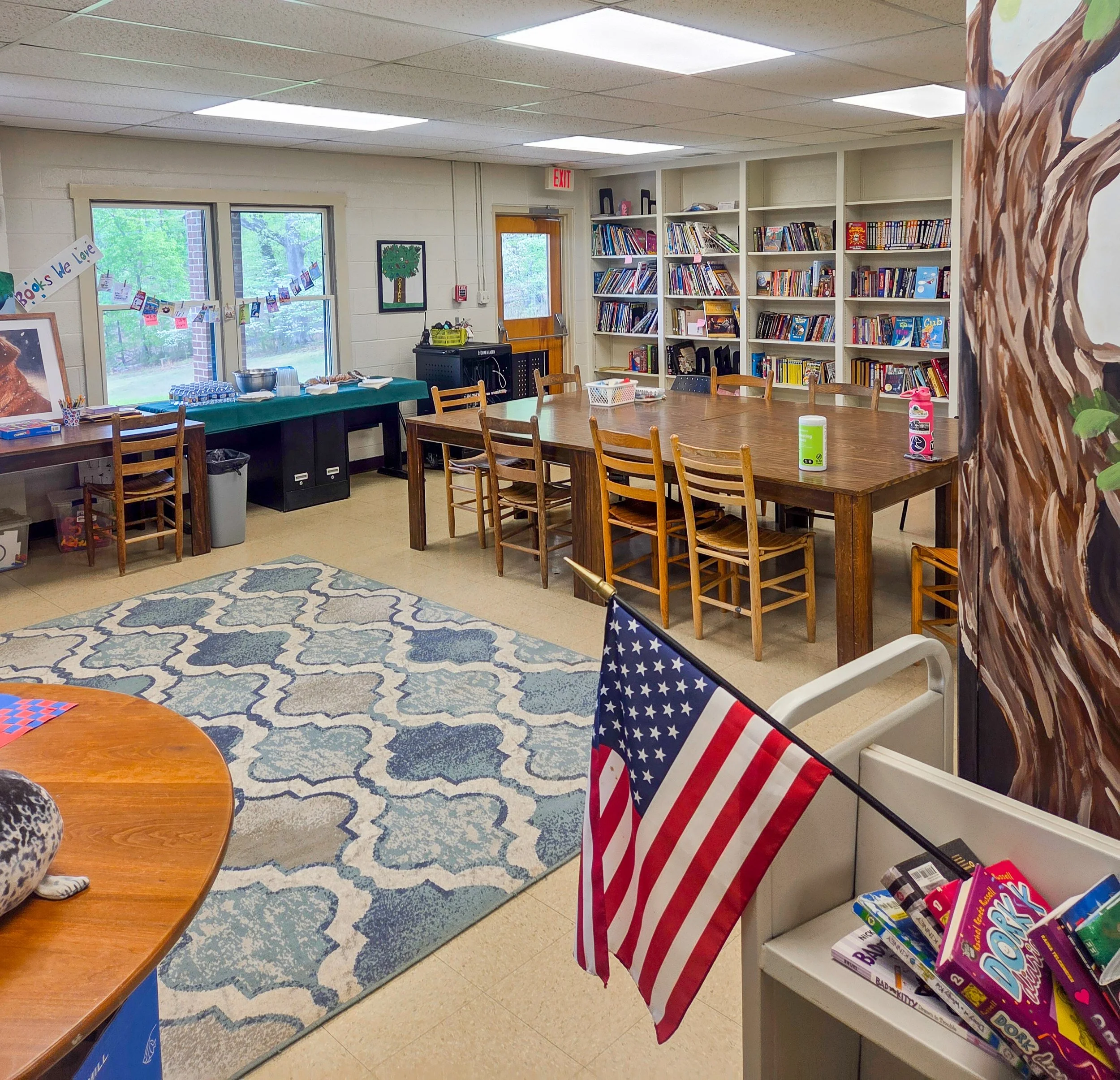
Oakland Academics
READING
Oakland School’s literacy program is comprised of gradually progressing instruction based on the literacy strengths and needs of each student. Whether a student is a beginning or an advanced reader, Oakland’s team will chart an individualized literacy course forward.
Teachers monitor individual literacy learning growth using informal and formal tools, guided practice of skills, and research-based assessments. The Qualitative Reading Inventory (QRI) is administered in a one-on-one setting, while the Measure of Academic Progress/Reading (MAP) is a nationally normed assessment.
BEGINNING READERS
Beginning readers are typically instructed using the Orton-Gillingham Approach, “A direct, explicit, multisensory, structured, sequential, diagnostic, and prescriptive way to teach literacy even when reading, writing, and spelling do not come easily to individuals, such as those with dyslexia.” In this method, students may use tracing packets that correspond with their basal packets. Children trace the raised shapes of the letters of words as they hear and read the sounds orally to bring several senses into play.
INTERMEDIATE READERS
Intermediate readers make the shift from learning to read to reading to learn. With guided instruction, progress continues in the areas of comprehension, vocabulary, and reading fluency. Written and oral language instruction is integrated daily using a differentiated approach tailored to each learner.
CONFIDENT READERS
At Oakland, students are advanced as quickly as their abilities allow. One-to-ones transition to mastering comprehension strategies, developing vocabulary, and improving fluency.
READING IN HIGH SCHOOL
High school literacy continues the trajectory forward, aligning with the social studies curriculum to deepen students' understanding of both reading skills and historical context. Assessments are primarily writing-based, fostering analytical thinking and the ability to write effectively for diverse audiences and purposes.
MATH
Math classes at Oakland are taught in small groups of six to eight students and range from basic math concept courses to 9th grade math. Student schedules include an instructional period at their appropriate level followed by a guided practice period. Lessons follow textbooks written to cover the Virginia Standards of Learning but are often broken down into smaller, easy-to-follow steps. Teacher-made worksheets help clarify concepts and allow students to be successful.
The multisensory approach found throughout the Oakland program is employed in math classes as well, with students writing on erasable whiteboards, working with manipulatives, reciting mnemonics, and playing math games to reinforce concepts. Prompt feedback on written work and class exercises ensures that students know right away that they’re on track. Lessons are planned to connect to students’ lives and are personalized whenever possible to make the topics more relevant.
Daily Schedule
The school day is divided into seven 45 to 50-minute periods. Each student’s schedule is designed to balance rigorous instruction targeting his or her core academic needs with a healthy dose of movement and independence mixed in to recharge the brain for additional learning.

-
Each student has a personalized instruction plan and is supported through small class sizes, with one-on-one check-ins and additional support provided as needed.
-
Included in their personalized instruction plan, students may have two to three Reading and/or Phonics periods throughout the day, depending on their needs. Small class sizes, along with one-on-one check-ins and support as needed, help reinforce skill development.
Each student has one Multi-sensory Math period daily. Small class sizes allow us to further personalize lessons and provide targeted support.
Our Middle and High school students have a period of Literature.
Students also receive support in Executive Functioning to strengthen skills such as organization, time management, planning, and task initiation. These skills are integrated throughout the school day and reinforced through personalized strategies, small group instruction, and one-on-one check-ins.
-
As part of Oakland’s mission to develop the whole child, classes are differentiated to encourage students of all abilities, with units designed to increase movement, build confidence, and inspire active participation as part of our classes daily.
All students receive 30 minutes of outdoor free play after lunch each day, providing regular opportunities for movement, social engagement, and unstructured activity. Strength training is supported through integrated planning with our Equine program, while cardio activity is naturally incorporated through walking across campus between classes and during daily free play.

Choosing the right school starts with seeing it in person. We invite you to visit Oakland School, explore our campus, and experience firsthand how personalized learning can help your child thrive.
Take the Next Step

Schedule a Campus Visit
See Oakland in person and experience personalized learning firsthand.

Admissions Process
Learn how to apply and what to expect along the way.
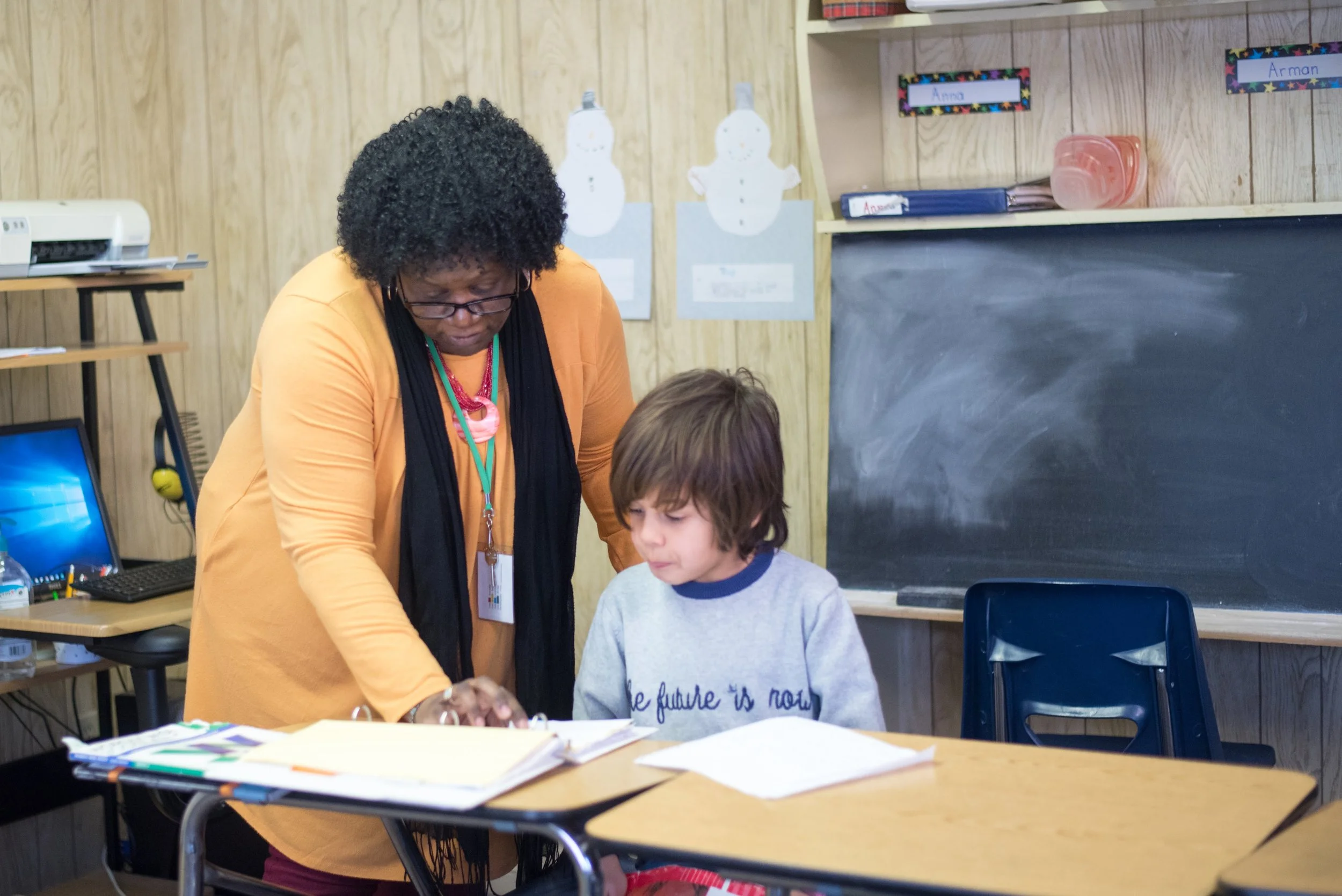
Tuition & Affordability
Understand tuition, financial considerations, and available support.
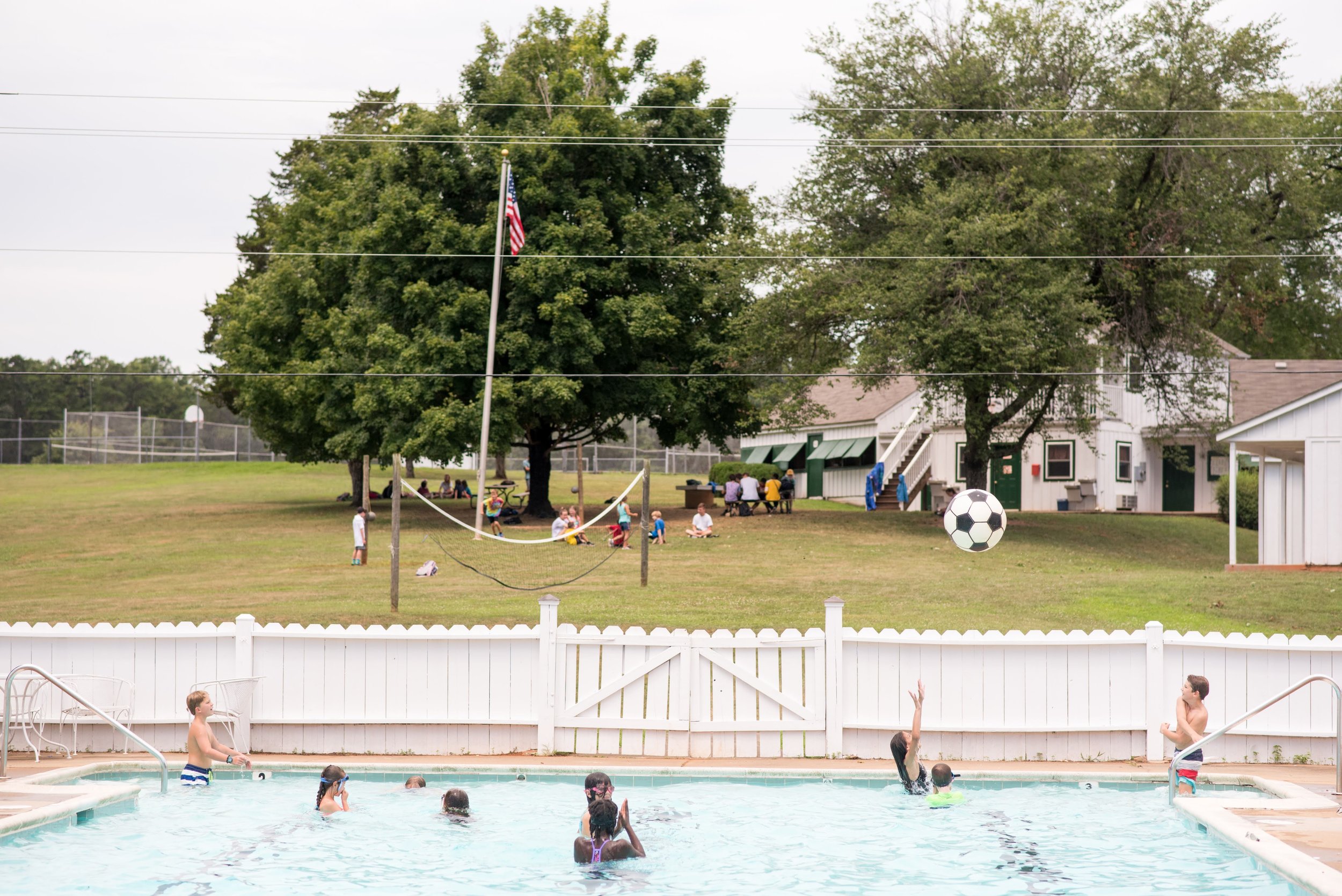
Explore Summer Camp
A fun, low-pressure way to experience Oakland.